News

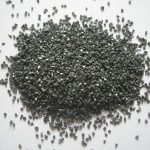
What is the smelting process for black silicon carbide?

The smelting process for black silicon carbide (SiC) mainly employs the Acheson process, a high-temperature resistance furnace smelting method. The main process flow is as follows: 1. Raw Material Preparation Main raw materials: Quartz sand (SiO₂ content ≥ 98%) and petroleum coke (carbon content ≥ 98%), with small amounts of sawdust and sodium chloride (NaCl)
Read More »

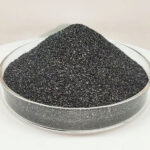
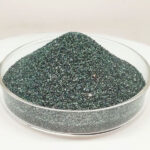
How is silicon carbide used to produce abrasive cutting wheels?

Silicon carbide (SiC) is a very important and common abrasive used in the manufacture of grinding wheels and cut-off discs. Its unique physical and chemical properties make it irreplaceable in specific applications. This article will focus on two main aspects: why silicon carbide is used and the production process. 1. Why Choose Silicon Carbide as

Read More »

Application of silicon carbide in semiconductor-related fields

Silicon carbide (SiC), as the core material of the third-generation semiconductors, is profoundly changing multiple fields due to its excellent physical and electrical properties. The following table summarizes its main applications and advantages for a quick overview: Application Areas Main Application Scenarios Advantages of Silicon Carbide (SiC) Related Technology/Product Examples New Energy Vehicles Main Drive

Read More »

Can silicon carbide be used in wear-resistant floor coatings?

Silicon carbide (SiC) can indeed be used in wear-resistant floor coatings. Its high hardness, excellent wear resistance, and chemical stability make it an ideal choice for high-performance coatings. The following is a detailed analysis: 1. Advantages of Silicon Carbide in Wear-Resistant Coatings Ultra-High Hardness: Silicon carbide has a Mohs hardness of 9.2 (second only to

Read More »

How is silicon carbide used in Teflon non-stick coatings?

Silicon carbide (SiC), as a high-performance reinforcing material, is used in Teflon (polytetrafluoroethylene, PTFE) non-stick coatings mainly to improve the mechanical strength, wear resistance and service life of the coating, while maintaining the original non-stick and chemical resistance of PTFE. The following are its specific application principles and implementation methods: Core role: Enhance coating performance

Read More »
Scroll to Top